Pergolas vs. Gazebos vs. Patios: Best Outdoor Living Structure?
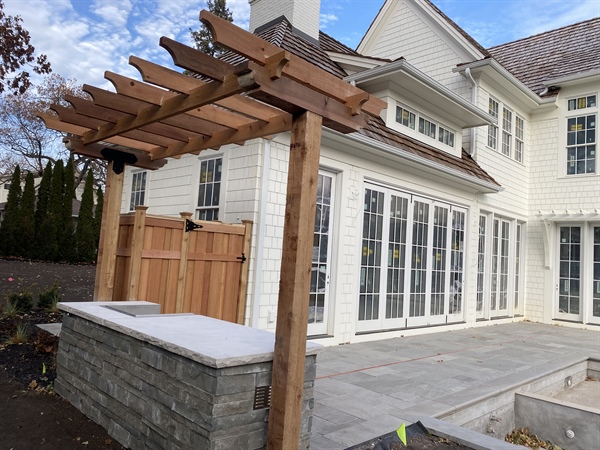
When planning an outdoor living space, choosing between a pergola, gazebo, or patio often comes down to how you envision using the space. Each structure offers its own set of benefits and limitations. Pergolas, with their open-air design and customizable builds, add architectural charm while still allowing filtered light.
Gazebos provide more complete shelter and a defined space, ideal for those who need consistent coverage from the sun or rain. Patios—open or covered—deliver a flexible foundation for outdoor functions, but vary widely based on roofing and integration. Understanding these differences is key to creating a space that suits your lifestyle, climate, and design goals.
This article answers key questions that arise when comparing these structures for outdoor living. We’ll break down which structure offers better shade, how they perform for open-air dining, and the cost considerations between pergolas and gazebos. We’ll also explore whether pergolas can be added to existing patios and how flexible their design is compared to fixed roofs. By examining these topics, you’ll gain clarity on which solution aligns best with your outdoor living vision!
Comparing Shade Coverage: Pergolas vs. Gazebos
Pergolas and gazebos are both popular additions to outdoor spaces, but they differ significantly in how much shade they provide. Gazebos are typically constructed with solid, enclosed roofs, which means they offer full overhead protection from the sun and rain. This makes them ideal for areas requiring consistent and complete shade, such as hot climate zones or spaces used during midday hours. Their design often includes optional side enclosures, increasing their shade value and protection from wind or insects.
Pergolas, in contrast, are known for their open-roof design, often using slatted wood or aluminum beams. While they allow for partial sunlight to pass through, the amount of shade varies based on factors like beam spacing, roof angle, and optional additions such as retractable canopies or climbing plants. This filtered light creates a comfortable ambiance without completely blocking the natural elements. For those who prefer light-dappled shade and better airflow, pergolas offer a balanced solution between openness and sun protection.
For property owners considering structural enhancements in the St. Paul area, FencIn Deck builds pergolas designed for partial to moderate shading with various customization options to increase coverage. Gazebos remain the better option for uninterrupted shade, but pergolas allow flexibility in coverage depending on design preferences and seasonal needs.
Is a Pergola Better for Open-Air Dining Than a Covered Patio?
The choice between a pergola and a covered patio for open-air dining hinges on how much exposure to natural elements is desired during meals. Pergolas are inherently open structures, often with slatted or latticed roofs that allow filtered sunlight and airflow. This makes them appealing for dining experiences that feel integrated with nature. The openness encourages ventilation, prevents heat buildup, and creates an aesthetic dining atmosphere, particularly when paired with climbing vines or string lighting.
Covered patios, by contrast, provide a solid roof—commonly shingled, paneled, or insulated—which offers superior protection from rain, UV rays, and falling debris. This makes them well-suited for unpredictable climates or year-round use. However, the enclosed overhead design can trap heat and reduce the sense of openness. In regions like Minnesota, where summers are pleasant and homeowners seek seasonal outdoor experiences, pergolas often strike a better balance between exposure and shelter for meals enjoyed outdoors.
Design-wise, pergolas from FencIn Deck are often integrated with custom outdoor kitchens, ambient lighting, and breathable configurations that support both comfort and function. When choosing between these options, consider whether full protection or an immersive open-air ambiance aligns better with your dining preferences and explore how these elements intersect with our broader fencing services.
Cost Comparison: Building a Pergola vs. a Gazebo
Cost is one of the primary differentiators between pergolas and gazebos. Pergolas tend to be more affordable due to their simpler construction. A standard wood or aluminum pergola typically includes vertical posts and a partially open roof structure, requiring fewer materials and less labor. The price range can vary based on materials, custom features, and finishes, but in general, pergolas fall into a lower or mid-tier cost bracket for outdoor structures.
Gazebos are more complex and fully enclosed with a solid roof, often featuring flooring, decorative railings, and sometimes electrical integrations. These additional elements increase both material and labor costs. The structural complexity and weatherproofing requirements also drive up installation time. As a result, gazebos tend to occupy a higher cost range compared to pergolas of similar size. This price difference becomes more pronounced with custom designs or premium materials such as cedar, pressure-treated lumber, or steel.
It’s also important to factor in long-term maintenance when comparing costs. While pergolas may require sealing or refinishing in climates like Minnesota’s, gazebos may incur greater upkeep due to their more enclosed and elaborate construction. Homeowners should consider not just upfront costs, but also how the intended function and durability impact overall value.
Retrofitting a Pergola onto an Existing Patio
Yes, a pergola can typically be retrofitted onto an existing patio, making it a popular upgrade for enhancing outdoor living areas. Most patios, whether concrete slabs, pavers, or stone bases, provide a suitable foundation for the structural posts needed to support a pergola. The key considerations involve verifying the integrity and level of the surface and ensuring it can anchor the vertical beams securely.
Before retrofitting, it’s crucial to assess the patio’s condition and load-bearing capacity. Uneven surfaces or aging materials may require reinforcement or repairs to prevent shifting over time. Additionally, homeowners should verify local building codes, especially in areas like St. Paul, where winter conditions can impact structural stability. Factors such as frost heave and drainage must be addressed during installation planning to ensure long-term durability. Proper drainage planning is essential to avoid water pooling at post bases, which could cause rot or erosion.
Many pergola styles are designed with modular components that facilitate integration into existing layouts. Adjustable post heights, flexible span options, and custom configurations allow installers to work around patio features like outdoor kitchens, fire pits, or hot tubs. This adaptability makes pergolas an ideal solution for retrofitting onto existing spaces without requiring a full rebuild or redesign.
Design Flexibility: Pergolas vs. Fixed Roof Structures
Pergolas offer significantly more design flexibility compared to fixed roof structures. Their open framework allows for various customizations in terms of size, shape, material, and finish. Homeowners can select from wood, aluminum, or vinyl builds, and adapt the roof style to include slatted beams, lattice panels, or even retractable canopies. This modularity makes pergolas suitable for spaces with irregular layouts or where integration with landscape elements—like gardens, decks, or pools—is required. Their design can evolve with add-ons such as lighting, heaters, or climbing plants, enhancing both utility and aesthetic appeal over time.
Fixed roof structures, like traditional patio covers or gazebos, are more rigid in design due to structural requirements. They need a load-bearing roof with proper support beams and are built for long-term durability against weather conditions. While they provide consistent coverage and shelter, the customization options are more limited. Roof pitch, overhang, and ventilation choices are generally predefined by engineering standards. Modifying these structures post-construction can be difficult and costly, making them less adaptable over time.
Transform Your Outdoor Space with FencIn Deck
Choosing between a pergola, gazebo, or covered patio comes down to how you want to experience your outdoor space. Each structure offers unique benefits, and FencIn Deck is equipped with the expertise to guide you through every detail—from shade coverage and cost differences to retrofit capabilities and custom designs.
We build and install high-quality pergolas that balance aesthetics and functionality. If you’re ready to explore your options, reach out to request a free estimate or speak with one of our professionals at 651-246-3176. Let us help you build the perfect outdoor space tailored to your lifestyle and environment!