Pergola Materials That Perform Best in Minnesota Climate
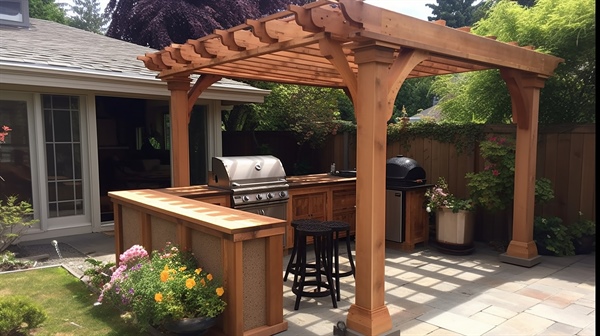
Minnesota’s climate creates demanding conditions for outdoor structures. Winters bring heavy snow, freezing temperatures, and repeated freeze–thaw cycles, while summers often include high humidity and strong sun exposure. These conditions place continuous stress on building materials used in outdoor living spaces. Homeowners planning a pergola often look beyond appearance and focus on how different materials respond to these seasonal changes. Durability, moisture resistance, structural stability, and maintenance requirements all become important factors when evaluating pergola materials in northern climates.
Outdoor living companies such as FencIn Deck frequently work with homeowners who want structures that can handle Minnesota’s weather while still enhancing backyard spaces. Pergolas built with materials suited to regional conditions can maintain their strength and appearance through years of seasonal changes. When researching a new pergola for an outdoor living area, understanding how materials like treated wood, vinyl, cedar, pine, aluminum, and composite behave in freeze–thaw environments helps homeowners make informed decisions about long-term performance.
How Pressure-Treated Wood Performs During Freeze-Thaw Cycles in Minnesota
Pressure-treated lumber is widely used in outdoor construction because the wood is infused with preservatives that help resist moisture, rot, and insect damage. In climates like Minnesota, freeze–thaw cycles can cause significant stress on building materials. When wood absorbs moisture and temperatures drop below freezing, the water inside the wood expands. When temperatures rise again, the water contracts. This repeated expansion and contraction can weaken untreated wood over time, leading to cracking or splitting.
Pressure-treated wood performs better under these conditions because the treatment process forces preservatives deep into the wood fibers under high pressure. These preservatives slow moisture absorption and help prevent fungal growth that commonly occurs in damp environments. Southern yellow pine is frequently used for pressure-treated lumber because its cellular structure allows it to absorb preservatives effectively, giving the material improved durability in outdoor settings.
Installation practices also play a large role in how treated wood handles Minnesota winters. Proper drainage, spacing between boards, and elevated post bases help reduce direct contact with standing water or snow accumulation. While treated lumber can still develop surface checking as temperatures fluctuate, protective sealants and periodic staining can help maintain structural integrity and appearance for many years. Homeowners planning a durable pergola structure often consider pressure-treated lumber because it balances strength, cost, and resistance to environmental exposure.
Are Vinyl Pergolas a Good Option for Snowy Regions?
Vinyl pergolas are often chosen for their low maintenance requirements and clean, uniform appearance. Unlike wood, vinyl does not absorb moisture, which means it is not susceptible to rot, warping, or insect damage. In snowy climates like Minnesota, this moisture resistance can be beneficial because melting snow and ice will not penetrate the material or cause swelling.
However, vinyl pergolas rely heavily on internal structural supports to withstand snow loads. Vinyl itself is a lightweight material and does not provide the same inherent strength as solid wood or metal. For this reason, high-quality vinyl pergola systems typically include reinforced aluminum or steel cores inside the posts and beams. These internal supports allow the structure to carry heavier loads from accumulated snow without bending or collapsing.
Vinyl also performs well during seasonal temperature changes because it does not expand and contract as dramatically as wood. The smooth surface is resistant to staining and does not require painting or sealing. In outdoor spaces where homeowners want minimal maintenance and a cohesive backyard design, vinyl pergolas can provide long-term durability when properly engineered for regional snow loads.
Pros and Cons of Cedar vs. Pine for Pergola Construction
Cedar and pine are two of the most common natural wood options used for pergolas. Each species offers distinct characteristics that affect durability, maintenance requirements, and overall performance in climates like Minnesota. Western red cedar is naturally resistant to decay and insects due to the oils present in the wood. These oils provide protection against moisture-related damage, which is valuable in environments that experience snow, rain, and humidity.
Cedar also has excellent dimensional stability, meaning it is less prone to warping or twisting compared to many other wood species. This stability helps cedar maintain its shape through seasonal temperature swings. The wood’s natural grain patterns and warm coloration also make it a popular choice for homeowners who prefer the appearance of natural materials. Over time, untreated cedar weathers to a silver-gray color unless it is sealed or stained.
Pine, particularly when pressure-treated, offers a more economical alternative. While untreated pine is more susceptible to moisture damage, pressure treatment significantly improves its durability. Pine structures tend to be heavier and structurally stronger, which can be advantageous for supporting large pergola spans. However, pine often requires more maintenance, including sealing or staining, to protect against long-term exposure to Minnesota’s freeze–thaw conditions.
How Aluminum Resists Rust During Humid Midwest Summers
Aluminum pergolas are increasingly used in outdoor structures because of their strength-to-weight ratio and resistance to corrosion. Unlike steel or iron, aluminum naturally forms a thin oxide layer when exposed to oxygen. This layer acts as a protective barrier that prevents deeper corrosion, which is why aluminum performs well in humid environments.
Midwest summers often include extended periods of humidity combined with rainfall. These conditions can accelerate rust formation in ferrous metals, but aluminum remains stable because it does not contain iron. Many aluminum pergolas are also powder-coated, which adds an additional protective finish that shields the metal from moisture, ultraviolet exposure, and temperature fluctuations.
Another advantage of aluminum is its dimensional stability. The material does not warp, crack, or split as wood sometimes does during temperature changes. Aluminum pergolas can maintain consistent structural performance through Minnesota’s wide seasonal temperature range, making them an increasingly popular option for long-term outdoor installations.
Can Composite Materials Outperform Natural Wood in the Midwest?
Composite materials are engineered products made from a blend of wood fibers and plastic polymers. These materials were developed to address some of the durability limitations of natural wood in outdoor environments. In climates like Minnesota, composite materials can offer advantages because they are highly resistant to moisture absorption, rot, and insect damage.
One of the primary benefits of composite pergola components is their resistance to warping and cracking. Because the material contains synthetic polymers, it does not expand and contract in the same way natural wood does during freeze–thaw cycles. This stability can help maintain structural alignment and appearance over long periods of exposure to changing weather conditions.
Composite materials also require significantly less maintenance than traditional wood. They typically do not need staining or sealing and are designed to resist fading from ultraviolet exposure. Homeowners researching outdoor living structures often explore modern composite solutions because these materials combine durability with consistent appearance in climates that experience both harsh winters and humid summers.
Expert Pergola Design and Construction in Minnesota
Choosing the right pergola material is only one part of creating an outdoor structure that performs reliably in Minnesota’s climate. Heavy snow loads, freeze–thaw cycles, humidity, and dramatic seasonal temperature swings all affect how building materials age and maintain structural strength. When homeowners understand how treated wood, vinyl, cedar, pine, aluminum, and composite materials respond to these conditions, they can make better decisions about building outdoor structures that remain durable and visually appealing for many years.
FencIn Deck works with homeowners throughout the Twin Cities who want outdoor living features designed specifically for Minnesota’s demanding weather conditions. From comparing material options to designing pergolas that complement patios, decks, and surrounding landscaping, experienced professionals focus on long-term durability and structural stability. Whether a homeowner prefers the natural character of wood or the lower-maintenance advantages of composite and aluminum materials, proper design and installation practices help ensure pergolas withstand the region’s changing seasons.
Homeowners who want help selecting materials or planning a custom pergola can contact FencIn Deck for professional guidance. Contact FenceIn Deck to get started with a free estimate today.