Is Vinyl Picket Fencing Environmentally Friendly?
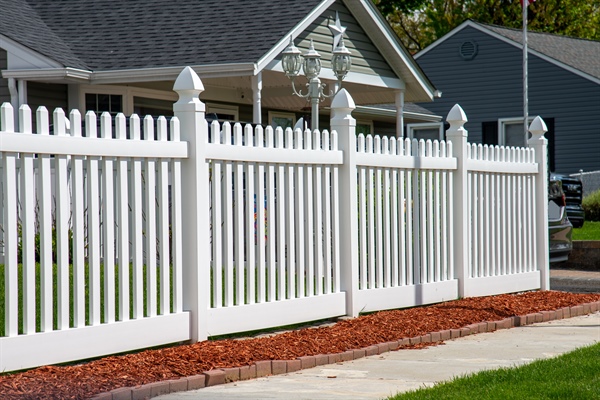
Vinyl picket fencing has become a popular choice for homeowners looking for low-maintenance, visually appealing yard enclosures. However, as environmental awareness grows, many are beginning to question whether these synthetic materials offer any ecological advantages or if they come at a hidden environmental cost. With concerns around plastic waste, energy-intensive manufacturing, and chemical exposure, the environmental impact of vinyl fencing is under increasing scrutiny.
Whether you’re renovating your property or selecting fencing for new construction, understanding the lifecycle and sustainability profile of your fencing material matters. From the recyclability of vinyl products to how they compare against wood or other traditional materials, every aspect influences your home's ecological footprint.
At FenceIn Deck, customers often ask about the long-term effects of their fencing choices. This article aims to address those concerns with clarity and depth. We’ll begin by examining whether vinyl fences are recyclable and what happens to them after years of use. Then, we’ll explore the environmental footprint of producing vinyl itself—how energy-intensive the process is and its broader ecological effects.
Read on to uncover a comprehensive view of the sustainability of picket fencing and what it means for your property and the planet!
Can Vinyl Fences Be Recycled After Use?
Vinyl fences are made primarily from polyvinyl chloride (PVC), a plastic polymer that has long been viewed as difficult to recycle. However, advancements in recycling processes have made post-consumer vinyl more manageable, particularly when the product is free of contaminants and additives. Most vinyl fencing, including the picket fencing offered by FenceIn Deck, uses high-quality PVC that can be reprocessed into new products such as piping, decking, or even additional fencing components when handled by the right facilities.
Recyclability depends heavily on the condition of the fence and access to appropriate recycling infrastructure. Some manufacturers include recycled vinyl content in new fence panels, promoting a closed-loop production cycle. However, curbside recycling programs rarely accept vinyl due to the specialized equipment needed. Homeowners interested in recycling should work with regional construction material recyclers or inquire with the fence installer about take-back programs or local drop-off centers.
While vinyl fencing isn’t as universally recyclable as aluminum or steel, its long service life — often exceeding 20 to 30 years — means less frequent replacement compared to wood. This durability, combined with emerging recycling solutions, supports vinyl’s case as a more environmentally conscious option when end-of-life disposal is planned responsibly through industrial recyclers rather than landfills.
Assessing the Environmental Footprint of Vinyl Fence Manufacturing
Vinyl fencing production involves the polymerization of ethylene and chlorine to form polyvinyl chloride (PVC), a process that requires high energy input and generates emissions such as dioxins and greenhouse gases.
This energy-intensive process contributes significantly to vinyl’s environmental footprint. The use of fossil fuels, both as raw material and as an energy source, further compounds their carbon impact during manufacture. Unlike organic materials, vinyl does not biodegrade and requires extensive processing to be broken down for reuse.
Despite these concerns, some manufacturers have adopted closed-loop systems to reduce emissions and waste during production. These systems reuse vinyl scraps, lower water consumption, and optimize heating processes to conserve energy. FenceIn Deck’s focus on professional-grade installation and sourcing means they likely partner with suppliers that employ such improved manufacturing practices, contributing to a reduced environmental burden per unit of fencing produced.
Still, compared to sustainable materials like wood harvested from responsibly managed forests, vinyl remains a higher-impact product at the production stage. While its durability offers environmental advantages over time, its initial manufacturing impact places it among the more resource-intensive fencing materials. Any sustainability gains depend on long-term use and post-consumer handling of the material, such as the recyclability of vinyl fencing components.
Vinyl vs. Wood: A Sustainability Comparison in Fencing Materials
Wood fencing has long been viewed as the go-to option for environmentally conscious buyers, especially when sourced from sustainably managed forests. Wood is biodegradable, requires less energy to produce, and can often be locally sourced, minimizing transportation emissions.
However, wood fences are more susceptible to rot, pest damage, and weathering, leading to more frequent replacements. Pressure-treated lumber may also introduce chemicals that complicate end-of-life disposal.
Vinyl fencing, by contrast, requires substantial energy and raw material input to manufacture but excels in longevity and low maintenance. A typical vinyl picket fence can last decades without the need for painting, staining, or chemical treatments, reducing ongoing environmental impacts.
FenceIn Deck emphasizes these features in its custom installations, offering vinyl solutions that resist weather, fading, and pests without requiring harsh chemical upkeep. This means homeowners may use fewer harmful products over time, which can reduce their home’s overall ecological footprint.
While wood offers natural appeal and lower emissions during manufacturing, vinyl’s low maintenance and durability may make it more sustainable over its full lifecycle in certain applications. Evaluating sustainability requires looking beyond initial production and considering usage patterns, lifespan, and disposal options. For example, a 30-year vinyl fence with no chemical upkeep may outperform a wood fence that requires replacement and chemical treatment every 10 years.
Do Vinyl Fences Release Harmful Chemicals?
Vinyl fences are composed of PVC, a stable polymer that does not release harmful chemicals under normal use conditions. Once installed, vinyl fencing is inert and does not off-gas or leach into the soil in measurable quantities.
Unlike older formulations, modern vinyl fencing used by companies like FenceIn Deck is free from lead stabilizers and commonly manufactured using safer additives that meet regulatory standards for residential use. This makes vinyl fences safe around children, pets, and plants, provided they are sourced from reputable manufacturers.
However, the story changes during manufacturing and disposal. The production of PVC can generate dioxins, a group of chemically related compounds that are environmental pollutants. These emissions occur at the industrial level and are not released during the fence’s typical use. If vinyl fences are improperly incinerated at the end of their life, harmful compounds, including hydrochloric acid and dioxins, can be released into the air. Thus, correct recycling or landfill handling is crucial to minimizing environmental harm.
While vinyl fencing does not pose a health risk during normal use, the environmental concerns arise primarily from its production and disposal processes. Homeowners should avoid burning or cutting large amounts of vinyl without appropriate safety measures.
Are Eco-Certified Vinyl Fence Manufacturers Available?
Yes, several manufacturers offer eco-certified vinyl fencing products, though certification standards vary widely depending on the region and type of certification.
Environmental certifications for vinyl products may include ISO 14001 for environmental management, GREENGUARD for low chemical emissions, or internal recycling certifications indicating the use of post-consumer or post-industrial content. Manufacturers who meet these standards typically disclose their environmental practices and material composition as part of their transparency initiatives.
While not all vinyl fence providers advertise eco-certification explicitly, many reputable suppliers work with certified facilities or use materials that meet EPA and OSHA safety requirements. Some also offer Environmental Product Declarations (EPDs) or Life Cycle Assessments (LCAs) that document their efforts to reduce energy use, emissions, and raw material sourcing impacts. Homeowners interested in sustainable fencing should look for these disclosures or ask installers for supplier information that reflects sustainable sourcing.
FenceIn Deck: Your Sustainable Fencing Partner in St. Paul
Choosing the right fencing solution involves more than aesthetics — it’s also a decision about environmental responsibility and long-term value. From exploring the recyclability of vinyl fences to understanding the impact of production and evaluating safe materials, these are questions best answered by experts who understand every detail.
At FenceIn Deck, we’re here to help you make informed decisions based on facts, product knowledge, and real-world installation experience. Our team brings deep knowledge of both wood and vinyl fencing options and works with reputable suppliers who meet environmental and safety standards.
Let us show you how our process prioritizes durability, responsible sourcing, and expert installation! Contact FenceIn Deck at 651-246-3176 or get started with a free estimate today.