How Vinyl Fencing Enhances Home Security and Property Protection
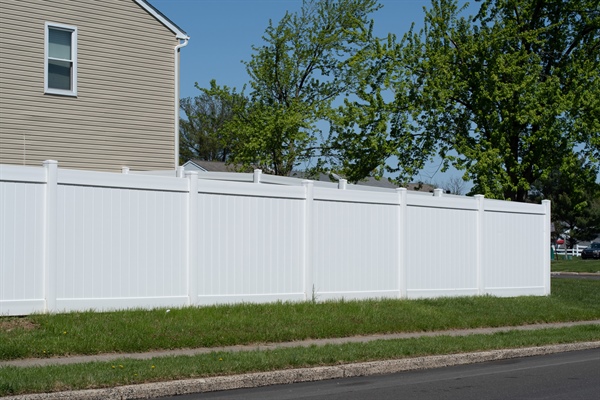
Homeowners often think about alarms, cameras, and lighting when planning residential security, yet the physical boundary around a property plays an equally important role. A well-designed fence establishes a clear perimeter, discourages unwanted access, and creates a safer environment for families, pets, and property. Among modern fencing materials, vinyl fencing has gained attention for its durability, structural consistency, and ability to provide strong visual and physical barriers without the maintenance challenges associated with traditional materials. FenceIn Deck frequently highlights how a thoughtfully designed vinyl fence can contribute to privacy, property definition, and improved home protection.
Understanding how vinyl fencing strengthens home security requires looking at several practical considerations. Fence height and layout affect how difficult it is to cross a boundary, while structural design influences visibility, access control, and resistance to tampering. Many homeowners also want to know whether modern fencing can integrate with security technology, how gate hardware contributes to protection, and how vinyl compares to other fencing materials when preventing breaches. The following sections explore these topics in depth, examining fence height recommendations, compatibility with security systems, design elements that deter intrusion, gate locking options, and how vinyl fencing performs compared with wood or metal alternatives.
Recommended Fence Heights for Improved Residential Security
Fence height has a direct impact on how effectively a property boundary discourages unauthorized access. Residential security guidance commonly recommends fences between six and eight feet tall when the goal is to create a meaningful barrier. Short fences, especially those under four feet, mainly mark property lines and provide minimal resistance to climbing. A six-foot fence significantly increases the difficulty of scaling the structure and sends a clear signal that the area is private property.
Local building codes often determine the maximum fence height allowed in residential neighborhoods. Many municipalities permit six-foot fences in backyards while limiting front-yard fences to shorter heights to preserve visibility for traffic and pedestrians. Property owners typically evaluate yard layout, nearby structures, and the location of gates when determining the most effective fence height for security purposes.
The structural strength of the fencing material also matters when building taller boundaries. Vinyl fencing systems are engineered with reinforced posts and interlocking panels that remain stable while providing full privacy coverage. Their smooth surfaces eliminate footholds that could help someone climb over. Many homeowners choose six-foot privacy configurations of vinyl fencing to create a continuous perimeter that limits visibility and increases resistance to intrusion.
Integrating Vinyl Fences with Modern Home Security Systems
Physical barriers often work alongside electronic security systems to create multiple layers of protection around a home. Vinyl fences can support the installation of surveillance cameras, motion detectors, and perimeter lighting. Mounting brackets designed for fence posts allow security equipment to be attached without damaging the structure. When cameras or sensors are positioned along a fence line, they extend the monitored area to the outer boundary of the property.
Motion detection systems benefit from clearly defined property edges. A fence separates public space from private property, helping security systems distinguish between routine street activity and movement inside the yard. When sensors detect activity within the fenced perimeter, homeowners receive alerts that may indicate someone approaching a gate or attempting to access the yard.
Proper fence installation also supports the reliable placement of security equipment. Stable fence posts provide consistent mounting points for cameras and lighting fixtures. Homeowners researching installation options often review professional fencing services to understand how fence design and construction interact with surveillance equipment placement.
Design Elements of Vinyl Fencing That Deter Unauthorized Access
Fence design influences both the physical difficulty of entering a property and the psychological deterrent effect it creates. Solid-panel vinyl privacy fences block visibility into the yard, preventing outsiders from assessing valuables, entry points, or patterns of activity. When a property’s interior cannot be easily observed, opportunistic intrusion becomes less attractive.
Climb resistance is another important factor in fence design. Vinyl fence panels typically have smooth vertical surfaces with no exposed horizontal rails on the outside. Without footholds or ledges, climbing becomes more difficult compared with some wood fences that include cross boards or decorative lattice patterns that can be used as steps.
Durability also contributes to security. Vinyl fencing is manufactured to resist warping, rotting, or splitting. These structural properties help maintain a uniform barrier over time. When panels remain aligned and intact, there are fewer gaps or weak points that could allow someone to pass through the fence or loosen individual boards.
Locking Mechanisms Compatible with Vinyl Fence Gates
Gates represent the primary access point within a fenced perimeter, which makes reliable locking hardware essential for security. Vinyl fence gates can accommodate a variety of locking mechanisms, including keyed locks, magnetic safety latches, gravity latches, and self-closing hinge systems. Each option offers different levels of access control depending on how the gate is used.
Keyed locks provide controlled entry by limiting access to individuals who possess a key. These locks are often installed on gates that serve as primary entry points to a yard or pool area. Magnetic safety latches are another common option and are designed to remain securely closed while still allowing convenient operation for homeowners.
Many vinyl gate systems include reinforced internal frames that support metal hardware components. Aluminum or steel inserts placed within the gate rails distribute stress from hinges and locks. This reinforcement helps the gate remain aligned and prevents sagging or loosening that could otherwise weaken the entry point over time.
How Vinyl Fencing Compares with Other Materials in Preventing Property Breaches
Different fencing materials provide varying levels of protection depending on durability, maintenance requirements, and structural design. Wood fences offer strong initial performance but can deteriorate due to moisture exposure, insect damage, and temperature fluctuations. Over time, boards may warp, split, or separate, which can create openings that weaken the barrier.
Metal fences, such as chain link are durable but often lack privacy and visual obstruction. While chain link is difficult to break, the open design allows full visibility into the yard and may provide footholds for climbing. Decorative metal fencing, including aluminum or wrought iron, can provide strong boundaries but often requires additional design features to discourage climbing.
Vinyl fencing combines durability with privacy coverage. Panels are engineered to resist weather-related deterioration while maintaining consistent alignment. Because vinyl does not rot, splinter, or rust, it continues to function as a solid boundary throughout its lifespan. Homeowners comparing fence materials often review information available through FenceIn Deck to better understand how modern vinyl fencing systems perform compared with traditional wood or metal options.
Professional Vinyl Fence Installation for Residential Security
Creating a secure property boundary involves more than simply installing panels around a yard. Fence height, panel design, gate hardware, and layout all influence how effectively the fence functions as a protective barrier. Vinyl fencing offers a combination of durability, privacy, and structural consistency that supports long-term residential security.
FenceIn Deck works with homeowners to design fencing systems that address both privacy and protection needs. Their installation approach focuses on strong post placement, reinforced gate frames, and materials designed to withstand Minnesota weather conditions. These factors help maintain a consistent perimeter that continues to perform effectively over time.
Homeowners interested in strengthening their property boundaries with durable fencing can contact FenceIn Deck at 651-246-3176. Property owners can also request project information and planning assistance through the company’s free estimate page.