How to Maintain and Clean a Lattice Fence
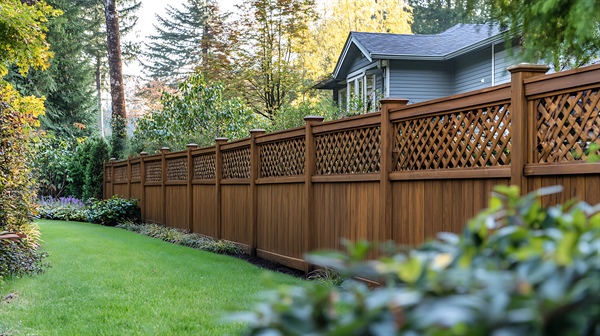
A lattice fence adds visual depth and airflow to outdoor spaces while still offering structure and privacy where it’s needed. The crisscross design is often used around gardens, decks, and property lines because it provides a lighter, decorative look compared to solid fencing. However, the same open pattern that makes lattice appealing also exposes more surface area to dirt, moisture, and organic growth. Dust, pollen, mildew, and algae can settle into the small openings and wood grain over time, gradually dulling the fence’s appearance if routine care is overlooked.
Keeping a lattice fence looking new requires consistent maintenance and a few practical cleaning strategies. Dirt removal, mildew treatment, periodic staining or painting, and regular inspections all help preserve both the appearance and structural condition of the fence. Understanding how to safely wash lattice panels, when to refresh protective finishes, how to repair damage, and how to prevent pests allows homeowners to extend the life of their fencing while maintaining its decorative appeal. The sections that follow explain these maintenance practices in detail so lattice fencing can remain clean, durable, and attractive year after year.
How Do You Maintain and Clean a Lattice Fence to Keep It Looking New?
A lattice fence brings texture, airflow, and decorative structure to outdoor spaces. The crisscross design works well for garden boundaries, deck skirting, and privacy accents, but the same pattern that makes lattice attractive also creates many small surfaces where dirt, pollen, and moisture collect. Exposure to rain, sun, and organic debris can slowly dull the appearance of wood and lead to mildew growth if routine care is ignored.
Keeping a lattice fence looking new requires a combination of cleaning, inspection, and protective finishing. Dirt removal, mildew treatment, stain maintenance, and structural checks all contribute to preserving both the appearance and structural integrity of the fence. Homeowners often ask practical questions about how to wash lattice panels, how often finishes should be refreshed, whether pressure washing is safe, how to identify damage, and how to reduce pest activity in wood fencing. The sections below examine these topics in detail, explaining the maintenance practices that help lattice fencing stay durable and visually appealing for years.
Effective Methods to Remove Dirt and Mildew From Lattice Panels
Cleaning lattice panels requires methods that remove surface contaminants without damaging the thin wood strips that form the crisscross structure. Because lattice pieces are narrower than standard fence boards, aggressive cleaning techniques can easily cause splintering or warping if applied incorrectly. A controlled cleaning process typically begins with dry debris removal. Leaves, cobwebs, and loose soil should first be brushed away with a soft or medium-stiff nylon brush. This step prevents abrasive debris from grinding into the wood during washing.
For general dirt accumulation, a mild cleaning solution is widely recommended. A mixture of water and a small amount of dish detergent can break down surface grime while remaining gentle on wood fibers. The solution can be applied using a garden sprayer or sponge and then scrubbed lightly with a brush that can reach the angles of the lattice pattern. Rinsing with a standard garden hose removes loosened dirt while minimizing water pressure on the wood.
Mildew and algae require targeted treatment because these organisms embed themselves within wood grain. A diluted solution containing oxygen bleach or a specialized wood cleaner is commonly used for this purpose. These products break down organic staining without the harshness of chlorine bleach. After application, the cleaner should remain on the surface for several minutes before being scrubbed and rinsed. Many maintenance guides for decorative wood fences emphasize that consistent cleaning preserves both appearance and durability of structures such as lattice fencing, particularly in humid climates where mildew growth is more common.
How Often Lattice Fences Should Be Restained or Painted
Protective finishes play a central role in preserving wood lattice structures. Stain or paint acts as a barrier that slows moisture absorption, prevents ultraviolet degradation, and reduces cracking caused by repeated wet-dry cycles. Without this protective layer, exposed wood fibers gradually break down under sunlight and rainfall.
In most climates, wood lattice fencing benefits from re-staining or repainting every two to three years. Transparent or semi-transparent stains may require slightly more frequent maintenance because they contain less pigment to block ultraviolet radiation. Solid stains and exterior paints tend to last longer due to their thicker protective film. Environmental conditions also affect the maintenance cycle. Regions with high humidity, intense sun exposure, or frequent freeze-thaw cycles typically shorten the lifespan of exterior finishes.
Inspection helps determine when refinishing is necessary. Fading color, water absorption, and rough wood texture indicate that the protective coating has worn down. When water sprayed onto the fence begins soaking into the wood instead of forming beads, the finish has likely reached the end of its protective lifespan. Maintaining the finish on structures like wood fencing is widely recognized as one of the most effective strategies for extending the life of exterior wood installations, including lattice panels.
Safe Use of Pressure Washers on Lattice Fences
Pressure washers can remove embedded dirt quickly, but they must be used cautiously on lattice fences. The thin strips that make up the lattice grid are far more delicate than standard fence boards. High-pressure spray can easily split wood fibers, loosen fasteners, or force water deep into joints where moisture may later cause rot.
When pressure washing is used, professionals typically operate at low pressure settings, generally between 500 and 1,200 PSI. The spray tip should remain several feet from the wood surface, and the wand should move continuously to avoid concentrating pressure on a single spot. Wide fan tips disperse the water stream and reduce the risk of cutting into the wood.
Many maintenance specialists prefer a hybrid cleaning approach: applying a wood-safe cleaning solution first, allowing it to break down dirt and mildew, and then using gentle rinsing rather than aggressive pressure. This method removes contaminants while preserving the structural integrity of the lattice pattern. Excessive pressure not only damages wood fibers but can also shorten the lifespan of paint or stain coatings by stripping them prematurely.
Inspecting and Repairing Damaged or Rotted Lattice Sections
Routine inspections allow small issues to be corrected before they develop into structural problems. Because lattice fences contain numerous intersecting pieces, damage can occur in localized sections without immediately affecting the entire panel. Inspection should focus on several areas: connection points, the bottom edges of panels, and areas exposed to prolonged moisture or soil contact.
Rot often begins where water collects or where wood touches the ground. Soft spots, discoloration, or crumbling wood fibers indicate decay that should be addressed promptly. Minor deterioration may be stabilized by removing damaged fibers and applying wood consolidants or fillers designed for exterior repair. These products restore strength and prevent further moisture penetration.
More advanced damage usually requires replacing individual lattice sections or entire panels. Replacement ensures the structural pattern remains intact and prevents weakened wood from spreading rot to adjacent pieces. Periodic inspection also helps identify loose nails, warped strips, or cracked intersections that can be repaired before they worsen under wind or weather exposure.
Pest Prevention Strategies for Wood Lattice Fencing
Wood fencing structures can occasionally attract insects or other pests that seek shelter within gaps or damp wood surfaces. Preventing pest activity begins with moisture control. Wood that remains consistently dry is far less attractive to termites, carpenter ants, and other insects that prefer damp environments.
Maintaining proper ground clearance is another widely recommended practice. Lattice panels installed too close to the soil create direct pathways for insects to access wood components. A small gap between the ground and the bottom of the lattice reduces moisture contact and limits pest access. Keeping nearby vegetation trimmed also improves airflow and reduces shaded, humid areas where pests tend to gather.
Protective finishes contribute to pest resistance as well. High-quality exterior stains and sealers form a barrier that discourages insects from burrowing into wood fibers. Regular inspections combined with cleaning and refinishing help maintain these protective properties over time. When maintenance questions arise about wood lattice structures, resources provided by FencIn Deck often explain best practices for preserving wood fencing materials and minimizing pest-related deterioration.
Professional Help for Maintaining and Installing Lattice Fences
Maintaining lattice fencing involves more than occasional washing. Cleaning, refinishing, structural inspection, and pest prevention all contribute to keeping wood fencing durable and attractive. Property owners who want long-lasting results often benefit from professional evaluation of their fence structure and maintenance needs.
FencIn Deck works with homeowners across the Twin Cities area to design, install, and maintain wood fencing systems, including decorative lattice sections. Their team provides guidance on cleaning practices, protective finishes, and repair techniques that help extend the lifespan of wood fencing installations. Proper maintenance not only protects the appearance of a fence but also prevents more costly structural repairs later.
Homeowners seeking professional assistance can contact FencIn Deck at 651-246-3176 to discuss fence maintenance or installation projects. Those planning new construction or repairs can also request a project estimate through their online free estimate form to begin planning improvements to their outdoor space.