Cast Iron vs Wrought Iron Fencing: Key Differences Explained
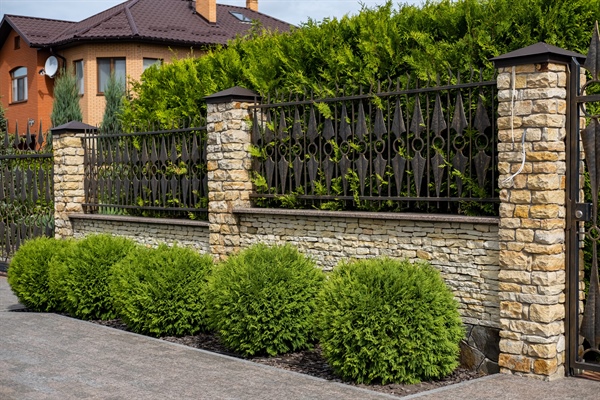
Iron fencing has long been used to define property boundaries, improve security, and add architectural character to homes and commercial properties. When researching metal fencing, many property owners encounter two materials that appear similar at first: cast iron and wrought iron. Although both are iron-based metals used in decorative fencing, they differ in how they are manufactured, how they perform structurally, and how they respond to long-term outdoor exposure. Understanding these differences helps property owners make informed decisions when selecting fencing materials designed to withstand years of weather and daily use.
These distinctions become especially important in climates with changing seasons and moisture exposure. Durability, structural strength, visual design, and long-term maintenance can vary depending on the material used. Experienced fencing professionals, including FenceIn Deck, often explain these material characteristics when discussing metal fencing options with property owners. Those interested in seeing examples of traditional ornamental metal designs can explore installations featuring wrought iron fencing. The sections below examine several important questions about cast iron and wrought iron fencing, including durability outdoors, structural strength, aesthetic differences, repair considerations, and which materials are commonly used in Minneapolis installations.
Which Material Is Better for Outdoor Durability?
Outdoor durability is one of the most important considerations when comparing cast iron and wrought iron fencing. Although both materials contain iron as their primary component, their internal structures and manufacturing processes result in different responses to weather exposure. Cast iron is produced by pouring molten iron into molds, which creates a rigid and brittle material structure. While this process allows for detailed decorative shapes, the resulting metal tends to be more susceptible to cracking or fracturing under stress, especially in environments that experience repeated temperature changes.
Wrought iron, by contrast, is produced through a forging process that shapes heated iron while it remains solid rather than molten. This manufacturing method aligns the grain structure of the metal and removes many impurities, creating a material that is more ductile and resistant to fracture. Because of this structural composition, wrought iron fencing is generally better able to tolerate environmental stresses such as wind loads, shifting soil, or freeze-thaw cycles that occur in northern climates.
Moisture exposure also plays a role in durability. Both cast iron and wrought iron can corrode if protective coatings are not maintained. However, wrought iron fencing is typically easier to maintain because modern manufacturing methods often include protective finishes such as galvanization or powder coating. Examples of these durable fence styles can be seen in installations featuring wrought iron fencing, which remain widely used in outdoor environments where longevity and structural performance are important.
How Do Cast Iron and Wrought Iron Compare in Strength?
The structural strength of cast iron and wrought iron differs significantly due to the way each material is produced. Cast iron contains a higher carbon content, typically between two and four percent. This elevated carbon concentration makes the material very hard but also relatively brittle. As a result, cast iron performs well under compressive forces but has limited resistance to bending or tensile stress. In fencing applications, this means cast iron components may break rather than bend if subjected to strong impacts or structural pressure.
Wrought iron contains far less carbon, usually less than 0.1 percent, and includes fibrous slag inclusions that form during the forging process. These characteristics create a material that is more malleable and resistant to fracture. When subjected to force, wrought iron tends to bend slightly rather than snap, which can reduce the likelihood of complete structural failure in fencing components.
In modern fencing installations, materials marketed as wrought iron fencing are often manufactured using steel that replicates many of the same performance characteristics while offering improved corrosion protection. These metal fencing systems are commonly used in residential and commercial installations because they combine durability with decorative design flexibility. Examples of these systems can be seen in various types of metal fencing, which provide structural strength along with an ornamental appearance.
Are There Aesthetic Differences Between Cast Iron and Wrought Iron?
Cast iron and wrought iron fencing can appear similar at first glance, but their manufacturing methods create notable differences in visual detail and design style. Cast iron is produced by pouring molten metal into molds, which allows manufacturers to create intricate patterns and repeating decorative elements with a high level of detail. This process historically made cast iron popular for elaborate architectural features, including gates, balcony railings, and ornamental fence panels.
Wrought iron fencing, however, is traditionally shaped through forging and bending processes. This method creates designs formed from continuous bars and rods that are heated and manipulated into shape. As a result, wrought iron designs often feature flowing curves, scrollwork, and hand-crafted visual elements that emphasize the material’s malleability. These characteristics have made wrought iron a prominent feature in historic European and American architectural styles.
Modern ornamental metal fencing often replicates these traditional wrought iron aesthetics using steel fabrication methods that maintain the same visual appearance while improving manufacturing consistency. These designs preserve the distinctive look associated with historic ironwork while allowing for standardized fence panel construction suitable for residential and commercial properties.
Which One Is Easier to Repair or Replace?
Repair and replacement considerations differ between cast iron and wrought iron fencing due to the mechanical properties of each material. Cast iron’s brittle structure can make repairs more challenging. When cast iron components crack or fracture, the break often occurs suddenly and completely. Repairing these components typically requires specialized welding techniques designed for high-carbon iron, and in many cases the damaged section must be fully replaced rather than repaired.
Wrought iron fencing components, by contrast, are generally easier to repair because the metal can be reheated and reshaped if necessary. Minor bends or structural deformations can often be corrected without replacing entire fence sections. Welding repairs are also more manageable because the lower carbon content of wrought iron allows for more predictable bonding during the repair process.
In modern ornamental fencing systems, many panels are manufactured in modular sections. This allows individual components to be removed and replaced if damage occurs without requiring reconstruction of the entire fence line. The modular approach used in contemporary metal fencing installations helps simplify long-term maintenance while preserving the visual consistency of the fence design.
Which Is More Commonly Used in Minneapolis Installations?
In the Minneapolis area, fencing installations typically prioritize durability, corrosion resistance, and structural reliability in cold climates. While historic properties may still feature cast iron decorative fencing, most modern installations use ornamental steel or wrought iron-style fencing systems. These materials provide the appearance traditionally associated with wrought iron while offering improved resistance to weather exposure and structural stress.
Cold climates introduce unique challenges for outdoor metal structures. Snow accumulation, freeze-thaw cycles, and soil movement can place stress on fencing components and posts. Materials that tolerate slight movement without fracturing are generally better suited to these environmental conditions. Because wrought iron and ornamental steel fencing systems are more flexible than cast iron, they are widely used in northern installations.
Homeowners and property managers researching fencing options in the Minneapolis region often review installation examples and product specifications before selecting a material. Local installers such as FenceIn Deck frequently provide information about different fencing materials and their performance in regional climate conditions, helping property owners understand which designs are most commonly used in the area.
How FenceIn Deck Can Help
Choosing the right fencing material involves evaluating durability, structural strength, visual style, and long-term maintenance requirements. Cast iron and wrought iron fencing each have historical significance and distinct structural characteristics, but modern ornamental metal fencing systems have evolved to provide improved durability and consistency for residential and commercial properties.
FencIn Deck provides professional fencing installation services for property owners throughout the Minneapolis and St. Paul region. Their team works with a range of fencing materials, including ornamental metal fencing systems designed to provide the visual appearance of traditional wrought iron while maintaining structural reliability in Minnesota’s climate conditions.
Property owners interested in installing metal fencing can contact FenceIn Deck to discuss material options, design styles, and installation considerations. Those considering a fencing project can request a project consultation and pricing details through the company’s free estimate request page.
FenceIn Deck works with homeowners and commercial property owners to evaluate fencing materials, site conditions, and design preferences to determine the most suitable fencing system for each property. Their experience with metal fencing installations throughout the Minneapolis area provides insight into which materials and construction methods perform best in local environmental conditions.