Best Wood Treatments to Extend the Life of Your Privacy Fence
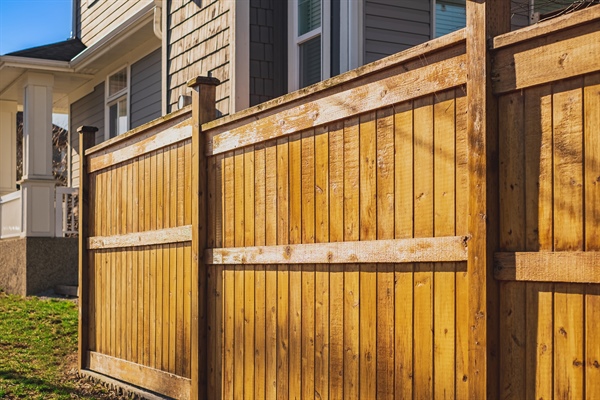
When it comes to protecting your privacy and property, a well-maintained wood fence is more than just a visual barrier — it's an investment in your home's long-term value and appeal. Yet wood, while naturally beautiful and versatile, is highly vulnerable to weather, moisture, and time. Without proper treatment, even the sturdiest wooden privacy fence can warp, rot, crack, or fade in just a few short years.
Understanding which treatments will best preserve the strength and look of your fence can make the difference between frequent repairs and decades of reliability. Whether you're installing new privacy fencing or looking to rejuvenate an aging structure, the right care routine begins with knowing your treatment options.
In this article, we’ll break down everything you need to know, starting with the difference between stains and sealants and how often you should reapply them. We’ll explore whether oil- or water-based products are better suited for your needs, if factory pre-treatment negates the need for sealing, and how to spot the signs that your fence is due for a fresh coat.
FenceIn Deck brings years of experience serving St. Paul and surrounding communities, providing high-quality craftsmanship and industry-leading advice. Read on to explore the science and strategy behind long-lasting wood fence protection!
The Difference Between Sealants and Stains for Wood Fences
Sealants and stains both play a role in preserving the life of a wood fence, but they function differently. A wood sealant is designed primarily to block moisture from penetrating the wood. It forms a barrier that repels rain, humidity, and snow, critical in climates like Minnesota’s, where freeze-thaw cycles can degrade untreated wood rapidly. Most sealants are clear or lightly tinted and do not offer significant UV protection. Their main strength is water resistance, which helps reduce cracking, warping, and rot.
Stains, on the other hand, penetrate into the wood fibers and deliver both color and protection. Oil-based stains often contain pigments that offer UV resistance, which helps prevent the wood from fading and greying. Unlike sealants that sit on the surface, stains soak into the wood, offering deeper protection against moisture. They also enhance the natural grain of the wood, making them a preferred choice for homeowners who want aesthetics combined with durability.
Many professionals recommend using a stain-and-sealer combination product for privacy fencing, particularly in climates where both UV exposure and precipitation are concerns. These hybrids combine the benefits of both approaches, offering an efficient and effective one-coat solution for long-term wood care.
How Often Should You Reapply Wood Fence Treatment?
The frequency of reapplication depends on the type of product used, local climate, and the exposure of the fence. In Minnesota, where seasonal extremes can quickly wear down protective coatings, most experts advise inspecting wood fences annually and reapplying treatment every two to three years. This interval may be shorter for fences exposed to direct sunlight or heavy moisture. UV rays break down stain pigments over time, and moisture can compromise even well-sealed surfaces.
Water-based sealants typically require more frequent reapplication — every 1–2 years — due to their lower durability. Oil-based stains, which penetrate deeper into the wood, tend to last longer, especially high-quality formulations that include UV-blocking pigments and mildewcides. However, all treatments eventually wear down and lose their effectiveness, especially at joints and edges where water can pool and penetrate.
Conducting a simple water test can help you assess when it's time to retreat your wood fencing. Pour a small amount of water on the surface — if it beads up, the sealant is intact. If it soaks in, it's time for a new application. Maintaining this cycle not only protects the structural integrity of the fence but also preserves its visual appeal and extends its service life.
Comparing Oil-Based and Water-Based Products for Wood Fence Protection
Oil-based and water-based products each have unique advantages and drawbacks, particularly when applied to exterior wood fencing. Oil-based treatments penetrate deeply into the wood fibers, making them highly resistant to moisture intrusion. They tend to enhance the wood's natural grain and color, which many homeowners find visually appealing. Because they cure slowly, they allow for better absorption, resulting in longer-lasting protection. However, they also emit stronger fumes during application and take longer to dry.
Water-based sealants and stains are often more environmentally friendly and easier to clean up, requiring only soap and water. They dry faster and tend to retain their original color longer because they are more resistant to UV discoloration. However, they do not penetrate the wood as deeply as oil-based products and may require more frequent reapplications, particularly in climates with frequent rainfall and temperature swings.
The decision between oil- and water-based products often comes down to priorities: if longevity and deep wood conditioning are top concerns, oil-based may be the better choice. For quick-drying, low-VOC, and easier-to-maintain options, water-based finishes are a strong alternative. Either way, selecting a high-quality product and applying it under proper weather conditions is key to achieving long-term results.
Can Pre-Treated Wood Skip the Initial Sealing Process?
Pre-treated wood is infused with preservatives during manufacturing, typically via pressure treatment, to resist rot, insects, and fungal decay. This treatment significantly enhances the structural durability of the wood, particularly for ground-contact components like fence posts.
However, pressure treatment does not typically provide protection against moisture or UV damage. While pre-treated wood resists biological decay, it still absorbs water and is susceptible to surface cracking and fading over time if left untreated.
Although pre-treated lumber may not require sealing immediately after installation, it will still need surface protection within a few months. The waiting period allows the wood to dry out from the pressure treatment process, which often saturates it with moisture. Applying a sealant or stain too early may result in poor adhesion and reduced effectiveness. Most manufacturers recommend waiting 2–3 months before applying a surface treatment, depending on the wood's moisture content and local climate conditions.
Skipping the sealing process entirely, even with pre-treated wood, is not advised for privacy fences. The structural core may be protected, but without surface treatment, the wood remains vulnerable to UV degradation, discoloration, and water infiltration at the surface level. Long-term fence performance depends on comprehensive care that includes both internal and external defense.
Recognizing the Signs That Your Wood Fence Needs Retreatment
Over time, even the most meticulously treated wood fence will begin to show signs of wear. Common indicators that a fence needs retreatment include fading color, a dull or dry appearance, and increased water absorption. If the surface no longer repels water but instead absorbs it quickly, the protective coating has likely broken down. Another early sign is the development of mildew or algae, particularly on the shaded or north-facing sections of the fence.
Cracking, splintering, or cupping boards also suggest that the wood is no longer protected from moisture fluctuations. These physical deformations occur when wood expands and contracts without a barrier to stabilize it. Additionally, if your fence begins to feel rough to the touch or emits a musty odor, it’s an indication that surface protection has worn thin, allowing moisture and microbes to penetrate.
Performing seasonal inspections — especially after winter and heavy rain — helps detect these issues early. Monitoring your fence’s condition visually and physically is critical for maintaining its structural health. When these signs become apparent, it’s time to refresh the treatment to restore the fence's resilience and appearance.
Protect and Extend the Life of Your Wood Fence with Professional Guidance
Proper wood treatment is essential for extending the life of your fence and maintaining both its function and appearance. From choosing between stains and sealants to determining the right product formulation, every step in the maintenance process plays a role in defending your investment.
FenceIn Deck understands the intricacies of privacy fence construction and long-term care. Serving St. Paul and the surrounding area, our team has years of experience selecting and applying the right treatments for Minnesota’s challenging climate.
Whether you're protecting new construction or restoring an existing fence, trust the experts at FenceIn Deck! Call us at 651-246-3176 to start planning your project or schedule a treatment consultation by requesting a free estimate today.