Are Horizontal Fences Better for Privacy? Design & Height Guide
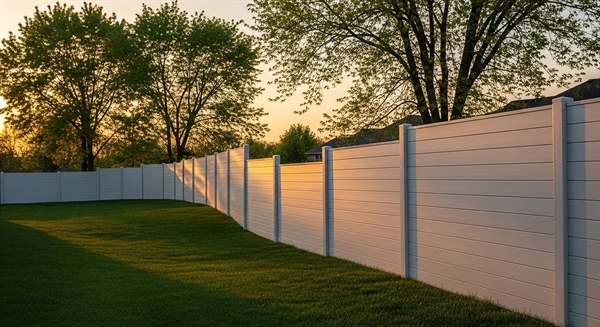
Privacy is one of the most common reasons homeowners install fencing around their property. While traditional vertical fences have long been the standard, horizontal fence designs have grown increasingly popular due to their modern appearance and adaptable construction. Horizontal boards can be spaced in a variety of ways, allowing property owners to control sightlines while maintaining airflow and visual appeal. In many cases, horizontal layouts provide equal or greater privacy than vertical fencing because spacing, board width, and height can be customized to suit specific privacy needs.
A well-designed horizontal fence can block unwanted views from neighbors, nearby roads, or surrounding properties while still enhancing the architectural style of a home. The effectiveness of horizontal fencing for privacy often depends on details such as board spacing, fence height, and surrounding landscaping. The following sections explore several key factors homeowners frequently consider when deciding whether horizontal fencing offers the level of privacy they want.
How Board Spacing Can Be Adjusted for Complete Privacy in Horizontal Fencing
One of the primary advantages of horizontal fencing is the flexibility it provides when determining board spacing. In traditional vertical privacy fences, boards are usually placed tightly together with little room for adjustment. Horizontal fences, by contrast, allow builders to vary the gap between boards depending on the desired level of privacy. When boards are installed tightly with minimal spacing, horizontal fencing can create a continuous visual barrier comparable to solid panel fencing.
Spacing can also be adjusted to account for wood expansion and contraction. Natural wood fencing materials respond to humidity and temperature changes by expanding and shrinking over time. Small, controlled gaps between boards allow the fence to accommodate these changes without warping or cracking. When spacing is carefully planned during installation, the fence can maintain strong privacy coverage while preserving structural integrity.
Homeowners researching design options often review examples of modern horizontal fence installations to see how spacing affects privacy and aesthetics. The design approaches shown in horizontal fencing projects demonstrate how boards can be installed flush together, staggered, or layered to provide different privacy levels while maintaining the clean lines associated with horizontal layouts.
Ideal Fence Height for Privacy-Focused Horizontal Fencing
Fence height plays a major role in determining how effectively a fence protects privacy. In most residential areas, privacy fences range from six to eight feet tall. A six-foot fence often provides sufficient screening for backyard areas, patios, and gardens. Taller fences may be appropriate for properties that border busy streets or multi-story neighboring homes.
Horizontal fencing works particularly well at standard privacy heights because the long lines of the boards create a continuous visual barrier that blocks direct sightlines. When installed at six or eight feet tall, the horizontal layout prevents people from easily seeing into outdoor living areas while still maintaining a modern, architectural look.
Material selection can also influence how well a horizontal fence maintains its privacy over time. Wood fences remain one of the most common choices because they provide dense coverage and natural durability. Different wood species offer varying levels of resistance to moisture and weather exposure. Homeowners exploring materials for privacy installations often evaluate the characteristics of wood fencing systems to understand how board thickness, structural framing, and finishing treatments contribute to long-term performance.
Do Shadowbox Horizontal Fences Provide Enough Coverage?
Shadowbox fences are traditionally built with alternating boards on both sides of the fence rails, allowing air and light to pass through while partially obscuring visibility. When adapted to a horizontal layout, the shadowbox concept can create a layered appearance that softens sightlines without forming a completely solid wall.
The alternating board arrangement reduces direct visibility because gaps on one side are covered by boards on the opposite side. This configuration provides partial privacy from multiple viewing angles. However, shadowbox fencing generally offers less complete coverage than solid horizontal fencing, where boards are tightly installed with minimal gaps.
Despite the reduced coverage, shadowbox horizontal fences can still function effectively in settings where airflow and light transmission are desirable. They are often used along property boundaries where full privacy is not necessary, but visual screening is beneficial. In these cases, the design balances privacy, aesthetics, and ventilation while preserving the contemporary look associated with horizontal fence construction.
How Privacy Screens Compare with Horizontal Fencing
Privacy screens and horizontal fencing are sometimes compared because both can block views into outdoor spaces. Privacy screens are typically smaller structures designed to shield specific areas such as patios, decks, or hot tubs. They may be made from wood panels, lattice, metal slats, or composite materials and are usually installed as standalone structures rather than perimeter fencing.
Horizontal fencing, in contrast, is designed to enclose larger areas such as entire yards or property lines. Because of its structural framework and continuous installation, it creates a consistent boundary that provides privacy across the full perimeter of the property. Horizontal boards also offer greater design flexibility in terms of spacing, height, and material choice.
Privacy screens can complement fencing when additional shielding is required in specific areas. For example, a homeowner may install a horizontal fence around the yard while placing a privacy screen near a seating area to block views from a neighboring second-story window. The two solutions serve different roles but can work together to improve overall privacy within outdoor living spaces.
Combining Horizontal Fencing with Landscaping for Greater Privacy
Landscaping can significantly increase the effectiveness of horizontal fencing by creating multiple layers of visual screening. Plants, shrubs, and trees positioned near the fence line add natural coverage that reduces visibility through gaps and softens the overall appearance of the structure.
Dense hedges or evergreen plantings are often used alongside fencing to maintain year-round privacy. Over time, these plants grow thicker and taller, reinforcing the barrier created by the fence. Ornamental grasses, climbing vines, and layered planting beds can also be used to create varied heights and textures that obscure sightlines.
Landscaping can also help address privacy concerns related to elevation differences between neighboring properties. For example, raised garden beds or strategically placed shrubs can reduce visibility from nearby windows or balconies. When fencing and landscaping are planned together, property owners can create a cohesive outdoor design that improves both privacy and visual appeal.
For homeowners researching professional fencing options and design approaches, the services and project examples available through FenceIn Deck provides insight into how fencing and landscape elements are integrated in modern residential installations.
Professional Guidance for Privacy-Focused Horizontal Fencing
Designing a horizontal fence that provides dependable privacy requires more than choosing a modern layout. Factors such as board spacing, fence height, structural support, and surrounding landscape conditions all influence how effectively a fence blocks visibility. Property boundaries, elevation changes, and local building regulations can also affect how a fence should be designed to deliver consistent privacy throughout the yard. A carefully planned installation allows horizontal fencing to provide strong visual screening while maintaining the clean, contemporary appearance that makes the style so popular.
FenceIn Deck works with homeowners to design fencing solutions that balance privacy, durability, and architectural style. With extensive experience building wood fencing systems, their team understands how board configuration, structural framing, and material selection affect both performance and appearance. Whether homeowners are evaluating tightly spaced boards for maximum coverage, exploring optimal fence heights, or integrating landscaping for additional screening, professional planning helps achieve long-term results.
Homeowners interested in learning more about horizontal fencing options or evaluating privacy-focused fence designs can contact FenceIn Deck by calling 651-246-3176. Their team can assess property conditions, explain material choices, and recommend fence designs that support privacy goals while complementing the surrounding landscape. Those ready to begin planning a project can also request a free estimate to explore installation options and receive detailed project guidance.