Aluminum Pool Fencing Benefits for Safety and Durability
What Are the Benefits of Aluminum Fencing for Pool Enclosures?
Homeowners installing a pool must balance safety, durability, and appearance when choosing a barrier. Aluminum fencing has become one of the most widely used materials for residential pool enclosures because it provides dependable protection while maintaining an open, attractive design. Unlike heavier steel systems or materials that require constant sealing or repainting, aluminum performs well in wet environments and maintains its structure for many years. The material resists corrosion, adapts to modern safety hardware, and can be configured to meet local building codes that regulate residential pool barriers.
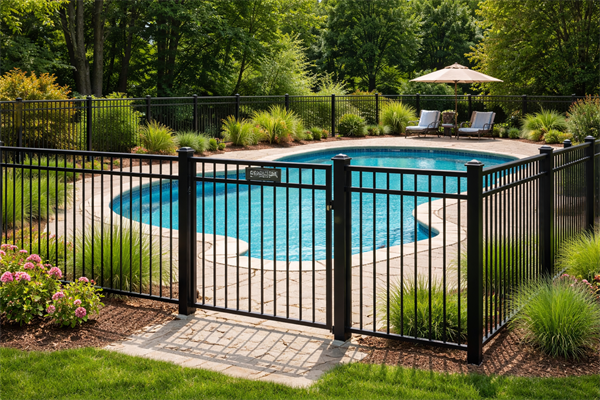
Another reason aluminum fencing is commonly used around pools is its ability to provide safety without visually blocking the surrounding space. The narrow picket design allows clear sightlines across the yard while still preventing unauthorized access to the water. For homeowners evaluating enclosure materials, aluminum fencing provides a combination of code compliance, durability in chemically treated environments, and architectural flexibility. These characteristics explain why many residential projects rely on systems such as aluminum fencing for pool safety installations.
Does Aluminum Meet Code Requirements for Pool Safety Barriers?
Residential pools in the United States are regulated by local building codes designed to reduce the risk of accidental drowning. Most jurisdictions adopt guidelines from the International Residential Code (IRC) or similar state regulations that specify how pool barriers must be constructed. Aluminum fencing systems are widely manufactured to comply with these regulations when installed with appropriate height, spacing, and gate hardware. When configured correctly, aluminum fences can meet barrier standards that require a structure strong enough to restrict unsupervised access to the pool area.
Pool safety codes typically address several design characteristics. The barrier must be difficult for children to climb, openings must be small enough to prevent passage, and gates must close and latch automatically. Aluminum fencing systems are designed with vertical pickets that discourage climbing and maintain consistent spacing that meets these requirements. Many manufacturers produce panels specifically engineered to satisfy residential pool barrier standards, which helps contractors and homeowners achieve compliance when constructing new pool enclosures.
In addition to safety requirements, aluminum fencing offers structural consistency that supports long-term compliance with barrier regulations. The rigid panel design maintains spacing and alignment even when exposed to weather, temperature changes, and moisture common around pools. Because of these characteristics, aluminum systems remain a common material used to satisfy safety barrier rules for residential installations. More information about structural configurations used in aluminum fencing demonstrates how these systems align with modern pool safety standards.
How Does Visibility Through Aluminum Fencing Affect Pool Aesthetics?
One of the defining characteristics of aluminum pool fencing is its open visual structure. Traditional privacy fences create a solid barrier that blocks views across a yard, which can make outdoor areas appear smaller and more confined. Aluminum fencing uses vertical pickets and narrow rails that maintain security while allowing unobstructed visibility through the enclosure. This design preserves sightlines between the pool area, surrounding landscaping, and other outdoor living spaces.
The visual transparency of aluminum fencing also improves supervision of the pool area. Parents or guardians can observe activity in and around the pool without entering the enclosed space, which supports safer monitoring practices. At the same time, the fence still functions as a physical barrier that restricts unsupervised entry. The ability to combine safety with visibility explains why many residential pool installations prioritize open-style metal barriers rather than opaque fencing systems.
Architecturally, aluminum fencing integrates well with modern landscaping and outdoor design features. Because the structure does not dominate the visual environment, it allows features such as patios, gardens, and water elements to remain visible. The clean lines and powder-coated finishes commonly used in metal fencing systems help aluminum enclosures complement a wide range of residential styles without overpowering the surrounding landscape.
Are Self-Closing and Latching Gates Compatible With Aluminum Fencing?
Pool safety regulations typically require access gates to be equipped with self-closing hinges and self-latching hardware. These mechanisms automatically close and secure the gate after it has been opened, preventing the enclosure from being left unsecured. Aluminum fencing systems are fully compatible with these gate components and are commonly manufactured with gate frames designed specifically to support this type of safety hardware.
Self-closing hinges rely on spring tension or hydraulic mechanisms that return the gate to a closed position after it is opened. Aluminum gate frames provide sufficient rigidity to maintain alignment while supporting the weight and motion of these hinge systems. Proper installation ensures that the gate closes consistently without sagging or misalignment, which is necessary for the latch to engage correctly.
Self-latching mechanisms are typically installed on the interior side of the gate and positioned at a height that prevents small children from reaching the release lever. Aluminum gate systems are engineered to accommodate these latching devices while maintaining the same picket spacing and barrier integrity as the surrounding fence panels. When installed according to code requirements, these gate features allow aluminum pool fencing to meet modern safety expectations for controlled pool access.
How Does Aluminum Resist Corrosion From Chlorine and Pool Chemicals?
Swimming pool environments expose nearby materials to moisture, disinfectants, and airborne chemical residues. Chlorine and other pool treatments can accelerate corrosion in many metals, especially when those materials lack protective coatings. Aluminum fencing performs well in these conditions because the base metal naturally forms an oxide layer that protects the underlying material from further corrosion.
In addition to the natural oxidation resistance of aluminum, most pool fencing systems are finished with a durable powder-coated surface. This coating forms a sealed barrier that prevents water, chlorine vapor, and other chemicals from reaching the metal substrate. The finish also resists fading and deterioration caused by ultraviolet radiation, which helps the fence maintain its appearance over long periods of outdoor exposure.
Because aluminum does not rust in the same way as ferrous metals, it remains structurally stable even when installed close to water. This corrosion resistance reduces maintenance demands compared with untreated steel or iron fences. The material’s durability in chemically treated environments makes it particularly suited for installations where constant humidity and pool chemicals are present.
What Height and Spacing Rules Apply to Aluminum Pool Fencing?
Pool safety codes define specific dimensions that pool barriers must follow to reduce the risk of children entering the pool area without supervision. These requirements typically include minimum fence height, limitations on gaps between pickets, and restrictions on the distance between the bottom of the fence and the ground. Aluminum fencing systems are designed to accommodate these rules through standardized panel dimensions and consistent picket spacing.
Most jurisdictions require residential pool barriers to be at least four feet tall, although some local codes require greater height depending on the property configuration. Vertical picket spacing is commonly restricted to gaps smaller than four inches to prevent children from passing through the fence. Aluminum fence panels are manufactured with fixed picket spacing that aligns with these regulatory standards, helping installations maintain consistent compliance.
The bottom clearance between the ground and the lowest horizontal rail is also regulated to prevent crawling underneath the fence. Installation practices such as careful grading and post placement help maintain these spacing requirements across the entire perimeter. Property owners planning a pool enclosure can review installation guidelines and barrier design considerations through resources provided by FencIn Deck, which outline how aluminum fence systems are configured for residential pool safety barriers.
Professional Pool Fence Installation and Safety Guidance
Pool enclosures require careful planning to balance safety, compliance, and long-term durability. Aluminum fencing systems provide a reliable barrier that meets structural requirements while preserving the appearance of the surrounding landscape. When properly installed, these fences integrate self-closing gates, corrosion-resistant finishes, and spacing configurations designed to align with residential pool safety regulations.
FencIn Deck works with homeowners to design and install fencing systems that address the safety and structural requirements associated with pool enclosures. Their team evaluates property layouts, code requirements, and environmental conditions to recommend materials suited for long-term outdoor performance. Installations incorporate durable aluminum components and safety hardware designed to function consistently in pool environments.
Homeowners seeking guidance on pool enclosure design or barrier compliance can contact FencIn Deck at 651-246-3176. Those planning a new installation can request a free estimate to review available fencing options and determine the most appropriate configuration for their property.